
🎯 Where Should I Start?
ⓘ About Yung Pueblo
This pen name means “young people”, and it serves to remind him of his Ecuadorian roots, that the collective of humanity is in the middle of some important growth, and his experiences in activism. Pueblo is also a word that is used in Guayaquil in reference to the masses of people that are economically impoverished. He immigrated to the United States during his childhood. He grew up in Boston and later attended Wesleyan University. It also reminds him that humanity, as a whole, is incredibly young, we have a whole lot of growing up to do, and all of us are collectively still learning how to be kind to each other, how to share, how to clean up after ourselves, and how not to fight each other. These are things that he is hoping we are going to be doing well in the next century.
All Book Series by Yung Pueblo

? Frequently Asked Questions
Who is Yung Pueblo?
This pen name means “young people”, and it serves to remind him of his Ecuadorian roots, that the collective of humanity is in the middle of some important growth, and his experiences in activism. Pueblo is also a word that is used in Guayaquil in reference to the masses of people that are economically impoverished. He immigrated to the United States during his childhood.
Which Yung Pueblo series should I start with?
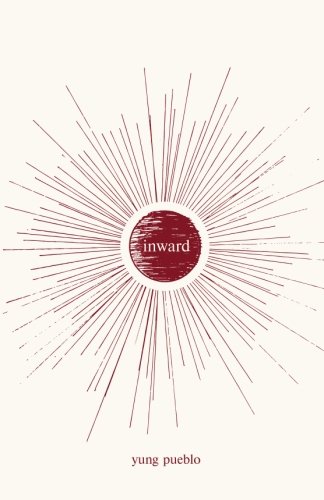
Yung Pueblo's books stand alone rather than forming a numbered series, so there is no reading order to follow. The natural first pick is Inward (2017).
How many books has Yung Pueblo written?
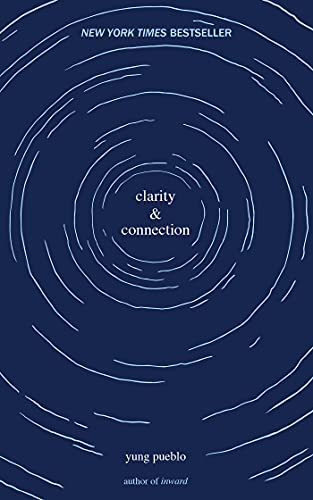
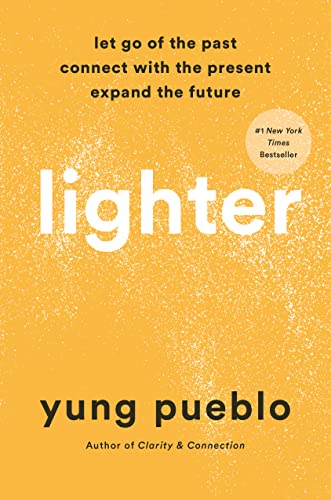
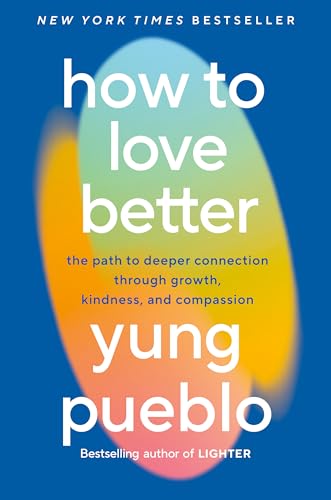
Yung Pueblo has 5 books catalogued in this guide, published between 2017 and 2025. They are filed under 2 categories rather than in numbered series — chiefly Collections and Non-Fiction.
In what order should Yung Pueblo's series be read?
No reading order is needed: none of the 5 books catalogued here do not form a numbered series, so any title can be picked up first. Within each category they are listed by publication year.
How are Yung Pueblo's books organised into series?
This guide splits Yung Pueblo's 5 books into categories rather than numbered series: Collections (3 books); Non-Fiction (2 books).