
🎯 Where Should I Start?
ⓘ About Peter Bognanni
Peter Bognanni is an American author of fiction. He lives in Minnesota. He is the author of books of fiction and also writes short stories and humor pieces. He works at Macalester College, where he teaches (what else other than) creative writing to the future writers of America. Bognanni loves to write and tries to work on his books every day. He first became a published author for the first time with the publication of his first fictional novel in 2010. It was titled The House of Tomorrow and was adapted into a film directed by Peter Livolsi. His second novel is titled Things I’m Seeing Without You and was released to readers in 2017. The movie based on The House of Tomorrow starred Asa Butterfield as the main character Sebastian and Alex Wolff as Jared Whitcomb.
All Book Series by Peter Bognanni
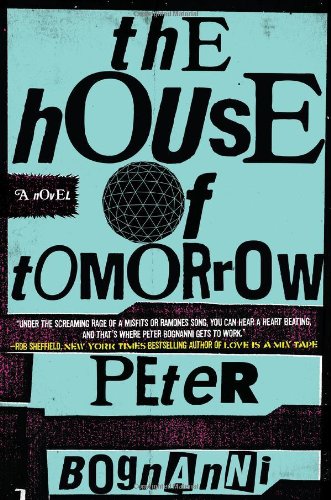
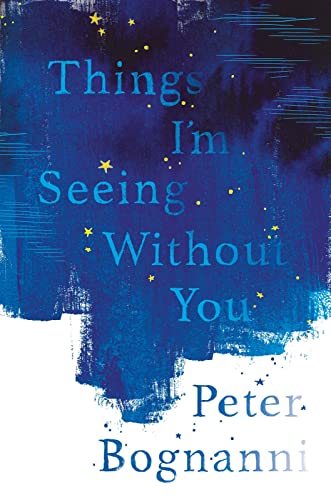
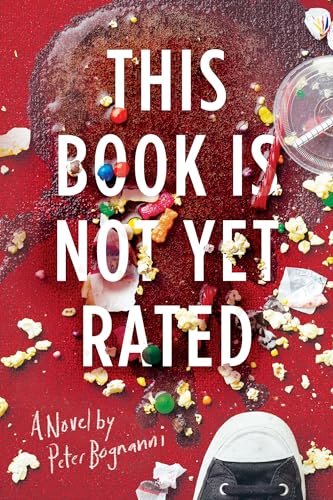
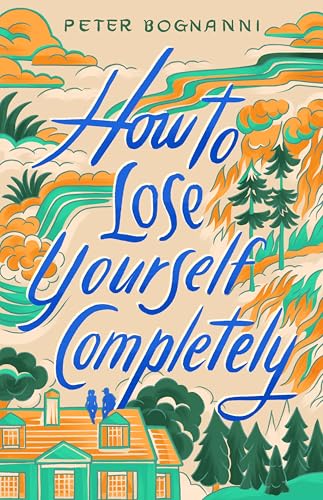
How to Lose Yourself Completely
Latest in the series · book 4 of 4 · published 2026
? Frequently Asked Questions
Who is Peter Bognanni?
Peter Bognanni is an American author of fiction. He lives in Minnesota. He is the author of books of fiction and also writes short stories and humor pieces. He works at Macalester College, where he teaches (what else other than) creative writing to the future writers of America.
Which Peter Bognanni series should I start with?
Peter Bognanni's books stand alone rather than forming a numbered series, so there is no reading order to follow. The natural first pick is The House of Tomorrow (2009).
How many books has Peter Bognanni written?
Peter Bognanni has 4 books catalogued in this guide, published between 2009 and 2026. They all sit in a single category — Standalone Novels — rather than in numbered series.
In what order should Peter Bognanni's series be read?
No reading order is needed: none of the 4 books catalogued here do not form a numbered series, so any title can be picked up first. Within each category they are listed by publication year.
How are Peter Bognanni's books organised into series?
This guide splits Peter Bognanni's 4 books into categories rather than numbered series: Standalone Novels (4 books).