
🎯 Where Should I Start?
ⓘ About Pete Dexter
Pete Dexter is a literary fiction author who has been described as a natural humorist, a tough guy, and a man with a kind heart. He has made a reputation for himself writing beautifully observed, blackly funny, hard-edged novels. Over the years, his novels have garnered critical acclaim for the sparkling clarity of the sentence and the riveting stories they tell. In 1998, he won the National Book Award for the novel “Paris Trout.” In 1998 “Paperboy,” his novel was called beautiful and eerie by “The New York Times.” Even though he has been described as a writer’s writer, it is surprising that he never read a serious work of literary fiction until he was 20. While his family was full of writers and readers he preferred to have a good time shooting out of the windows.
All Book Series by Pete Dexter
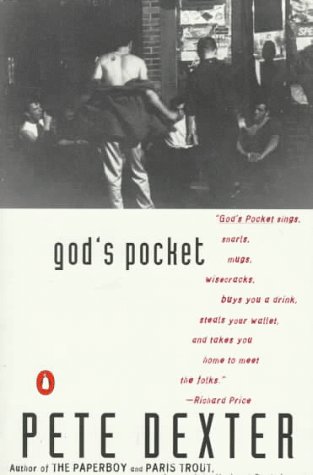
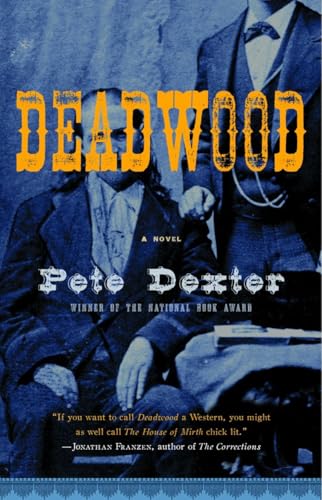

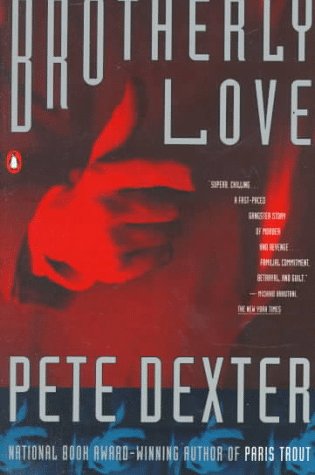
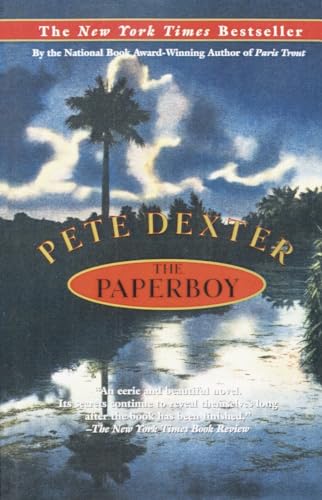
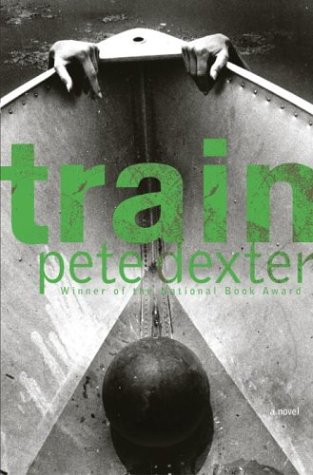
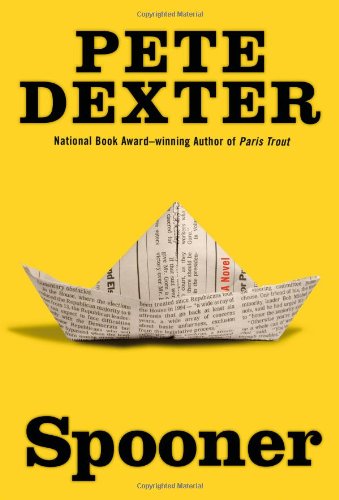
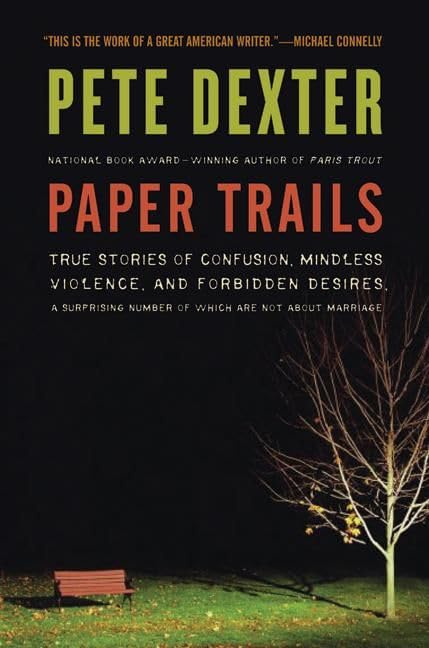
? Frequently Asked Questions
Who is Pete Dexter?
Pete Dexter is a literary fiction author who has been described as a natural humorist, a tough guy, and a man with a kind heart. He has made a reputation for himself writing beautifully observed, blackly funny, hard-edged novels. Over the years, his novels have garnered critical acclaim for the sparkling clarity of the sentence and the riveting stories they tell.
Which Pete Dexter series should I start with?
Pete Dexter's books stand alone rather than forming a numbered series, so there is no reading order to follow. The natural first pick is God's Pocket (1983).
How many books has Pete Dexter written?
Pete Dexter has 8 books catalogued in this guide, published between 1983 and 2009. They are filed under 2 categories rather than in numbered series — chiefly Standalone Novels and Non-Fiction.
In what order should Pete Dexter's series be read?
No reading order is needed: none of the 8 books catalogued here do not form a numbered series, so any title can be picked up first. Within each category they are listed by publication year.
How are Pete Dexter's books organised into series?
This guide splits Pete Dexter's 8 books into categories rather than numbered series: Standalone Novels (7 books); Non-Fiction (1 book).