

🎯 Where Should I Start?
ⓘ About Martin Amis
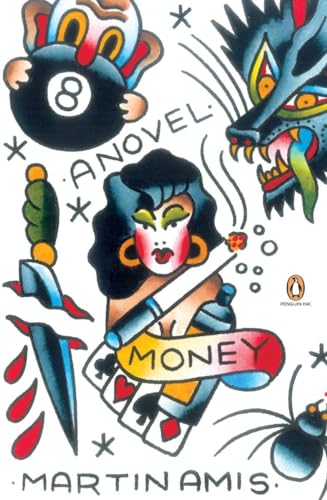
Martin Amis is an English essayist, novelist, screenwriter, and writer of short stories. He is known for books like London Fields (made into a 2018 movie starring Amber Heard among others) and Money. Martin Louis Amis was born on August 25, 1949, in Oxford. His father is Sir Kingsley Amis, a noted novelist in England, the son of a clerk from Clapham that worked for a mustard manufacturer. His mother was Hilary Bardwell, born in Kingston upon Thames. His older brother is named Phillip and his sister Sally, younger than he, passed in 2000. His parents divorced when Martin was 12. He attended a variety of schools in England in the fifties and the sixties.
All Book Series by Martin Amis






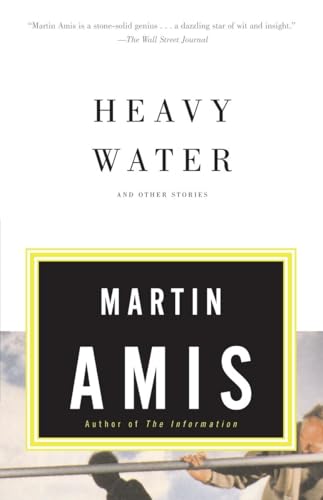

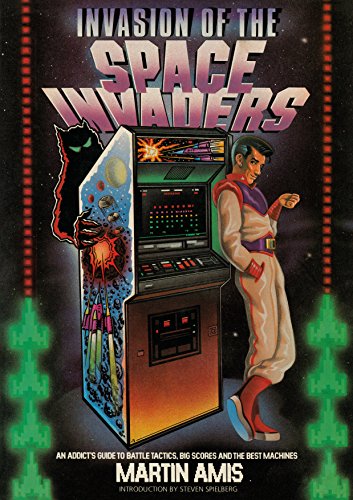
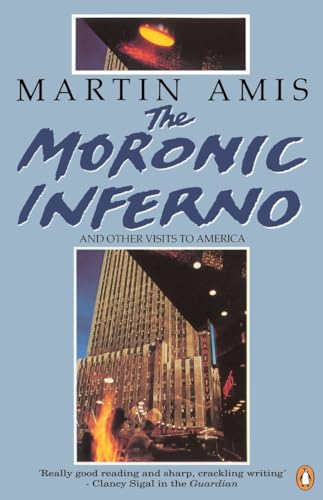

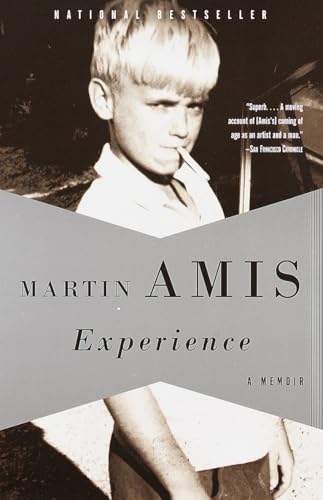






Chess Players
Latest in the series · book 11 of 11 · published 2024 Co-authored · FUEL,Dylan Loeb McClain,Viswanathan Anand

London Review of Books: Anthology 1
Series opener · book 1 of 10 · published 1981






? Frequently Asked Questions
Who is Martin Amis?
Martin Amis is an English essayist, novelist, screenwriter, and writer of short stories. He is known for books like London Fields (made into a 2018 movie starring Amber Heard among others) and Money. Martin Louis Amis was born on August 25, 1949, in Oxford.
Which Martin Amis series should I start with?
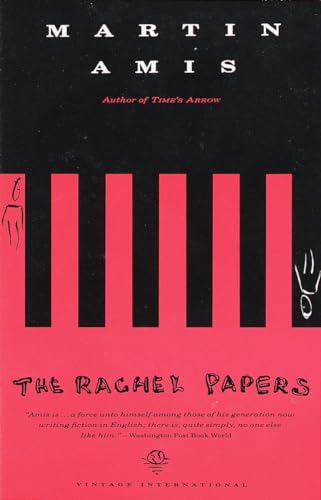
Martin Amis's books stand alone rather than forming a numbered series, so there is no reading order to follow. The natural first pick is The Rachel Papers (1973).
How many books has Martin Amis written?
Martin Amis has 41 books catalogued in this guide, published between 1973 and 2024. They are filed under 4 categories rather than in numbered series — chiefly Standalone Novels, Non-Fiction and Anthologies.
In what order should Martin Amis's series be read?
No reading order is needed: none of the 41 books catalogued here do not form a numbered series, so any title can be picked up first. Within each category they are listed by publication year.
How are Martin Amis's books organised into series?
This guide splits Martin Amis's 41 books into categories rather than numbered series: Standalone Novels (15 books); Non-Fiction (11 books); Anthologies (10 books); Short Story Collections (5 books).