

🎯 Where Should I Start?
ⓘ About Laird Hunt
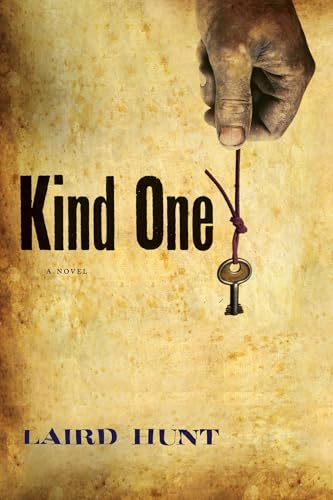
Laird got his BA from Indiana University and Master of Fine Arts in Creative Writing from the Jack Kerouac School of Disembodied Poetics at Naropa University. He studied French literature at the Sorbonne. Laird worked in the press at the United Nations as he wrote his first novel. He is a professor in the Creative Writing program at University of Denver. His influences include Franz Kafka, Georges Perec, Samuel Beckett, and W. G. Sebald, as well as the French Modernists. Besides writing fiction, he has also translated several novels from French, including Stuart Merrill’s “Paul Verlaine” and Oliver Rohe’s “Vacant Lot”. He was nominated for a PEN/Faulkner Award for fiction Best Book for “Kind One” and was shortlisted for a National Book Award for Fiction for his novel “Zorrie”.
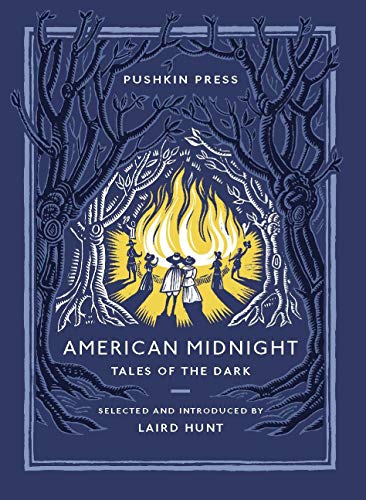
All Book Series by Laird Hunt
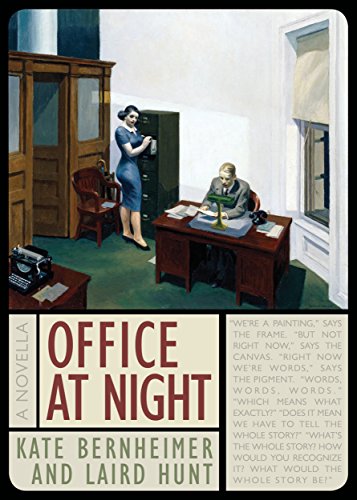
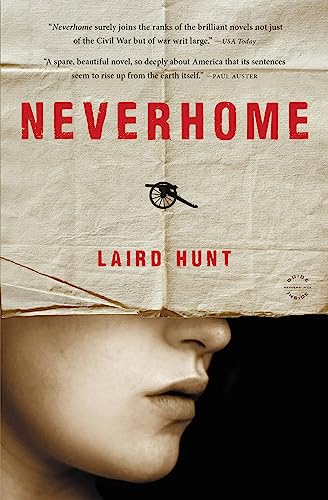
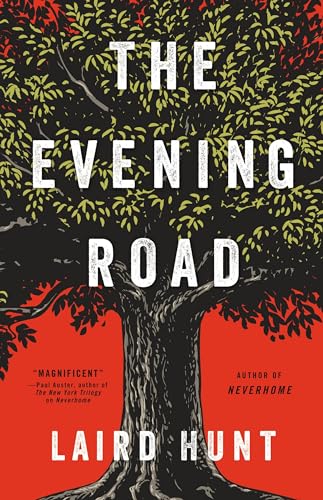
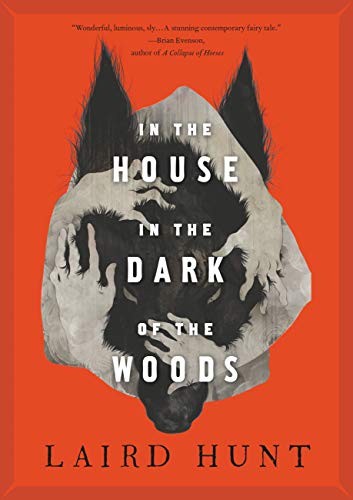
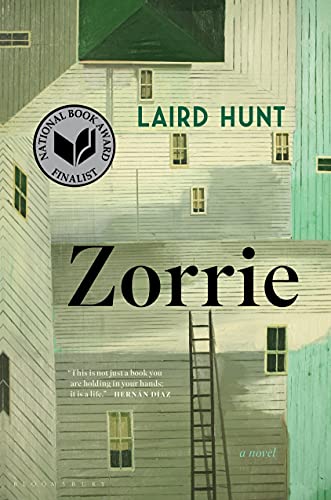

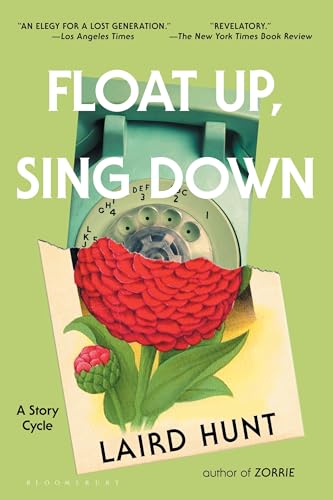
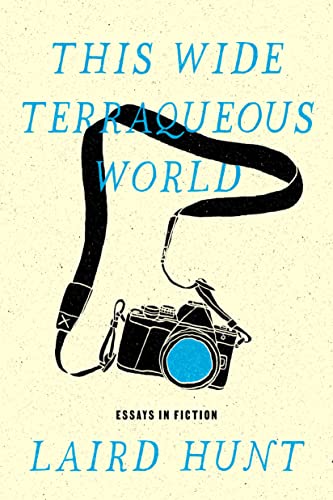

? Frequently Asked Questions
Who is Laird Hunt?
Laird got his BA from Indiana University and Master of Fine Arts in Creative Writing from the Jack Kerouac School of Disembodied Poetics at Naropa University. He studied French literature at the Sorbonne. Laird worked in the press at the United Nations as he wrote his first novel.
Which Laird Hunt series should I start with?
Laird Hunt's books stand alone rather than forming a numbered series, so there is no reading order to follow. The natural first pick is The Impossibly (2001).
How many books has Laird Hunt written?
Laird Hunt has 18 books catalogued in this guide, published between 2001 and 2024. They are filed under 4 categories rather than in numbered series — chiefly Standalone Novels, Anthologies and Collections.
In what order should Laird Hunt's series be read?
No reading order is needed: none of the 18 books catalogued here do not form a numbered series, so any title can be picked up first. Within each category they are listed by publication year.
How are Laird Hunt's books organised into series?
This guide splits Laird Hunt's 18 books into categories rather than numbered series: Standalone Novels (10 books); Anthologies (5 books); Collections (2 books); Non-Fiction (1 book).