
🎯 Where Should I Start?
ⓘ About Kim Powers
Kim Powers is a literary fiction author best known for his award-winning fiction. His debut work “The History of Swimming,” that was a memoir made the finals for the Best Memoir of the Year by the Lambda Literary Awards and was a Discover Selection at Barnes and Noble. Apart from his nonfiction works, he has also written bestselling literary fiction works including “Capote in Kansas,” that was called an unsparing, sensitive, wise, and riveting tale. According to the New York Times, it is an engrossing and raw novel that offers a beautiful new take on the future of literary fiction. He is also the author of the screenplay for “Finding North,” an independent film that was a festival favorite.
All Book Series by Kim Powers

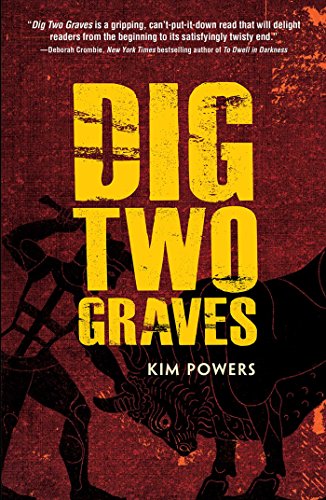
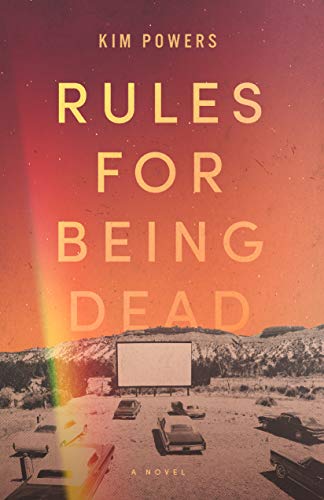
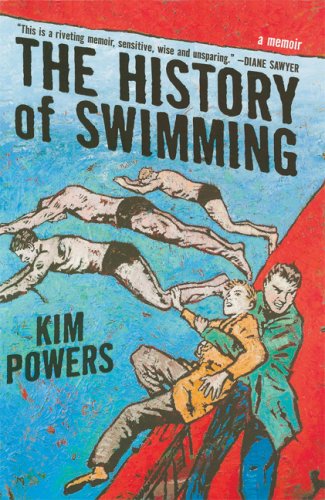
? Frequently Asked Questions
Who is Kim Powers?
Kim Powers is a literary fiction author best known for his award-winning fiction. His debut work “The History of Swimming,” that was a memoir made the finals for the Best Memoir of the Year by the Lambda Literary Awards and was a Discover Selection at Barnes and Noble. Apart from his nonfiction works, he has also written bestselling literary fiction works including “Capote in Kansas,” that was called an unsparing, sensitive, wise, and riveting tale.
Which Kim Powers series should I start with?
Kim Powers's books stand alone rather than forming a numbered series, so there is no reading order to follow. The natural first pick is Capote in Kansas (2007).
How many books has Kim Powers written?
Kim Powers has 4 books catalogued in this guide, published between 2006 and 2020. They are filed under 2 categories rather than in numbered series — chiefly Standalone Novels and Non-Fiction.
In what order should Kim Powers's series be read?
No reading order is needed: none of the 4 books catalogued here do not form a numbered series, so any title can be picked up first. Within each category they are listed by publication year.
How are Kim Powers's books organised into series?
This guide splits Kim Powers's 4 books into categories rather than numbered series: Standalone Novels (3 books); Non-Fiction (1 book).