
🎯 Where Should I Start?
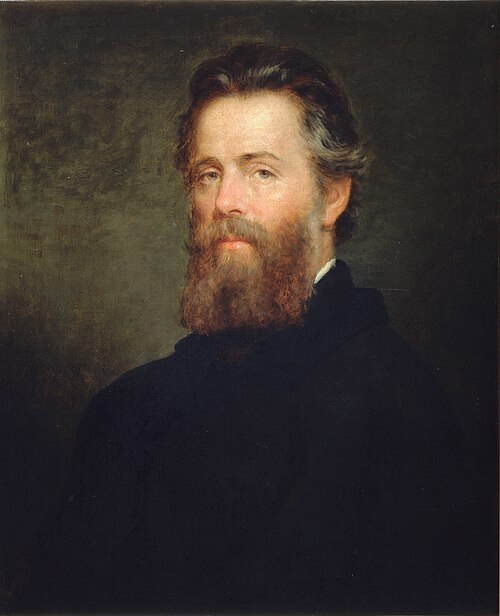
ⓘ About Herman Melville
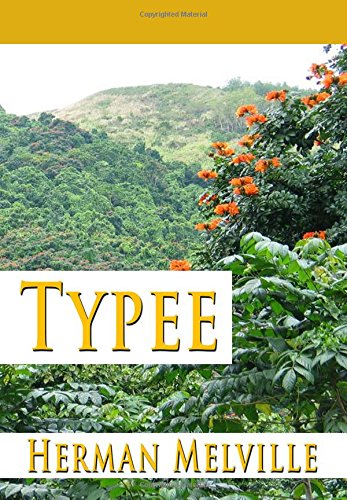
Herman Melville is an American author of fiction. Born August 1, 1819, in New York City and the third child of his parents, Melville today is most widely famous for writing the epic American classic Moby Dick. He first became known for his 1846 account Typee of Polynesian life and his experiences on it. He was a novelist, essayist, sailor, poet, and writer of short stories. His father was a dry goods merchant that died in 1832 and left his family struggling to keep food on the table. Melville’s formal education ended quickly after that, and he worked as a schoolteacher for a brief time before departing on a merchant ship in 1839 as a sailor. The next year, he signed onto a whaling ship to go on his first-ever whaling voyage– but ended up getting off at the Marquesas Islands.
All Book Series by Herman Melville

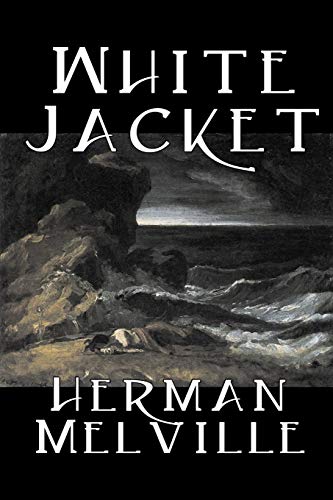

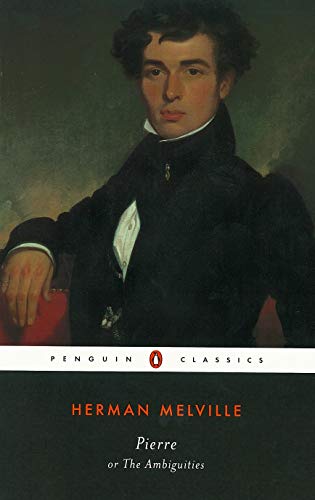
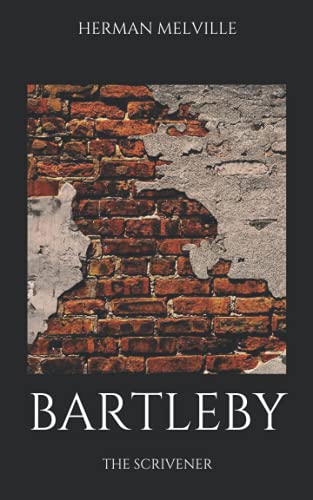
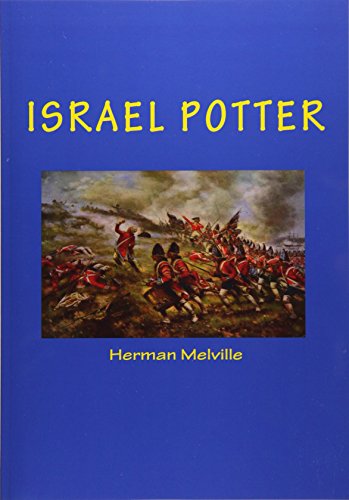

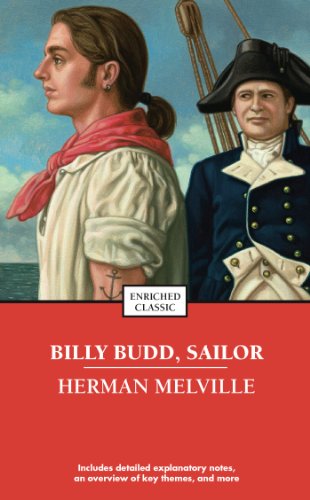
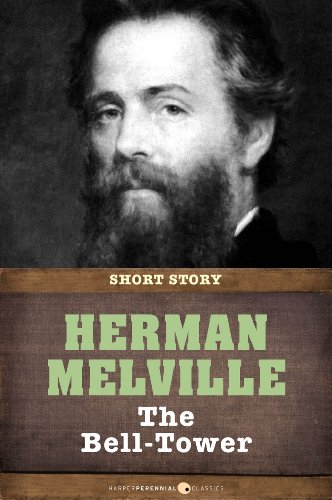
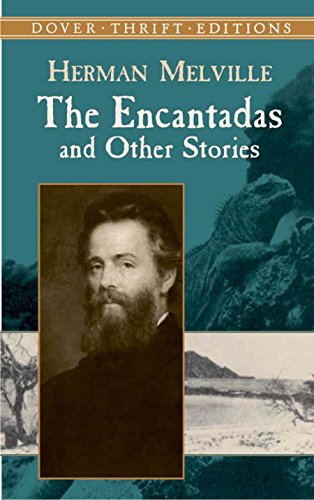








? Frequently Asked Questions
Who is Herman Melville?
Herman Melville is an American author of fiction. Born August 1, 1819, in New York City and the third child of his parents, Melville today is most widely famous for writing the epic American classic Moby Dick. He first became known for his 1846 account Typee of Polynesian life and his experiences on it.
Which Herman Melville series should I start with?
Herman Melville's books stand alone rather than forming a numbered series, so there is no reading order to follow. The natural first pick is Typee (1846).
How many books has Herman Melville written?
Herman Melville has 30 books catalogued in this guide, published between 1846 and 2021. They are filed under 4 categories rather than in numbered series — chiefly Anthologies, Standalone Novels and Short Story Collections.
In what order should Herman Melville's series be read?
No reading order is needed: none of the 30 books catalogued here do not form a numbered series, so any title can be picked up first. Within each category they are listed by publication year.
How are Herman Melville's books organised into series?
This guide splits Herman Melville's 30 books into categories rather than numbered series: Anthologies (13 books); Standalone Novels (11 books); Short Story Collections (4 books); Short Stories/Novellas (2 books).