
🎯 Where Should I Start?
ⓘ About Helen Forrester
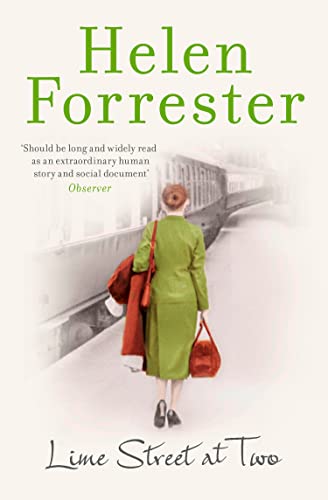
When her dad went bankrupt during the Great Depression, the family was thrust into poverty, and evicted from the comfortable home in an English market town. They had nothing more than the clothes on their backs, and this large family took the train off to Liverpool, hoping to rebuild their lives. As her dad looked for work unsuccessfully, the family had to live together in just a single room. Being the oldest child, twelve year old Helen was kept out of school in order to watch her six little siblings. The family, for the next few years, were forced to rely on the meager handouts from the parish, as well as the kindness of strangers.
All Book Series by Helen Forrester

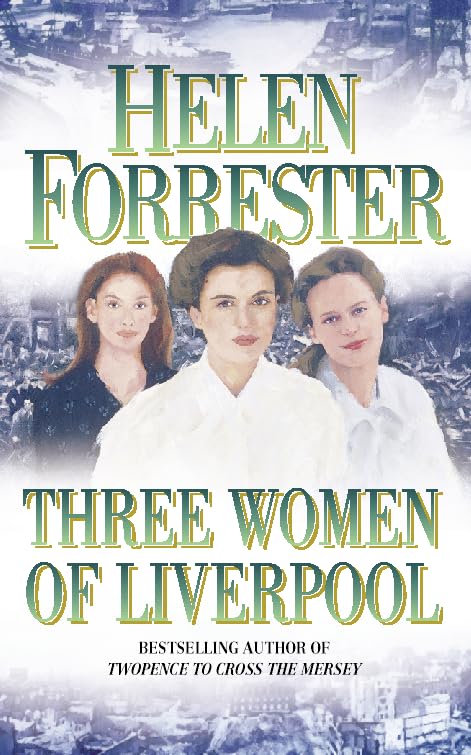
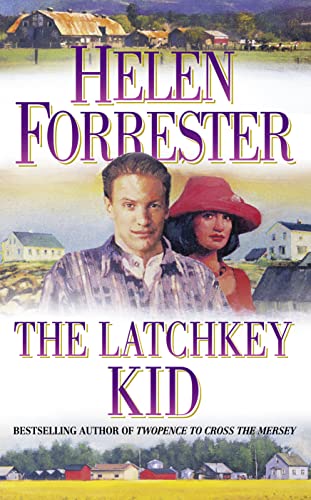
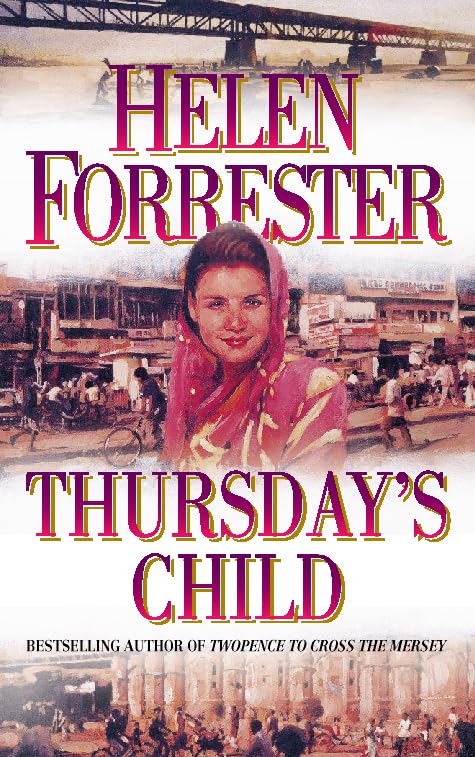
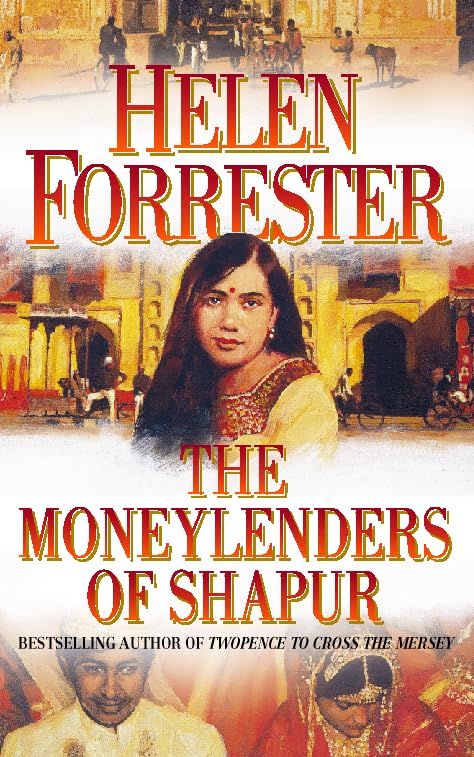
A Cuppa Tea and an Aspirin
Latest in the series · book 11 of 11 · published 2003

? Frequently Asked Questions
Who is Helen Forrester?
When her dad went bankrupt during the Great Depression, the family was thrust into poverty, and evicted from the comfortable home in an English market town. They had nothing more than the clothes on their backs, and this large family took the train off to Liverpool, hoping to rebuild their lives. As her dad looked for work unsuccessfully, the family had to live together in just a single room.
Which Helen Forrester series should I start with?
Helen Forrester's books stand alone rather than forming a numbered series, so there is no reading order to follow. The natural first pick is Liverpool Daisy (1979).
How many books has Helen Forrester written?
Helen Forrester has 15 books catalogued in this guide, published between 1974 and 2003. They are filed under 2 categories rather than in numbered series — chiefly Standalone Novels and Non-Fiction.
In what order should Helen Forrester's series be read?
No reading order is needed: none of the 15 books catalogued here do not form a numbered series, so any title can be picked up first. Within each category they are listed by publication year.
How are Helen Forrester's books organised into series?
This guide splits Helen Forrester's 15 books into categories rather than numbered series: Standalone Novels (11 books); Non-Fiction (4 books).