
🎯 Where Should I Start?
ⓘ About Helen Fisher
Helen Fisher is a famous biological anthropologist who is best known for her work in evolution, biology, and psychology of human sexuality, and human attraction. She also works at Indiana University and The Kinsey Institute in addition to her membership at Rutgers University’s Department of Anthropology and Center for Human Evolutionary Studies. Before all that, she worked at New York City’s American Museum of Natural History. Over the years, Fisher has penned several works on the future and evolution of human sex, gender differences in the brain, marriage, love, and how personality styles shape who you love and who you are, and more. Helen is also a Chief Scientific Advisor for Match.com the online dating site.
All Book Series by Helen Fisher
? Frequently Asked Questions
Who is Helen Fisher?
Helen Fisher is a famous biological anthropologist who is best known for her work in evolution, biology, and psychology of human sexuality, and human attraction. She also works at Indiana University and The Kinsey Institute in addition to her membership at Rutgers University’s Department of Anthropology and Center for Human Evolutionary Studies. Before all that, she worked at New York City’s American Museum of Natural History.
Which Helen Fisher series should I start with?
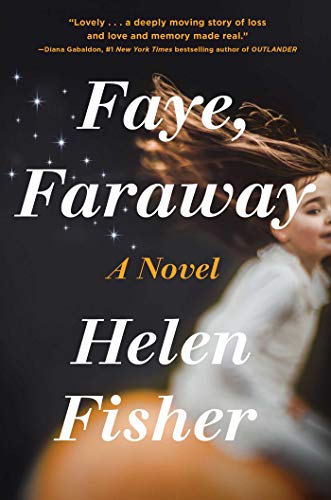
Helen Fisher's books stand alone rather than forming a numbered series, so there is no reading order to follow. The natural first pick is Faye, Faraway / Space Hopper (2021).
How many books has Helen Fisher written?
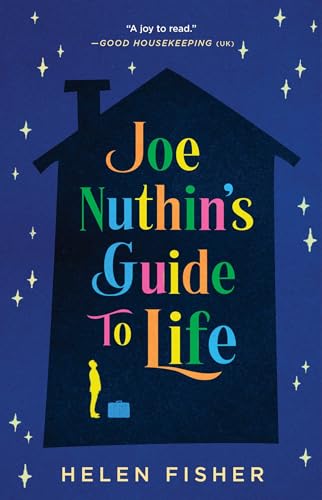
Helen Fisher has 2 books catalogued in this guide, published between 2021 and 2024. They all sit in a single category — Standalone Novels — rather than in numbered series.
In what order should Helen Fisher's series be read?
No reading order is needed: none of the 2 books catalogued here do not form a numbered series, so any title can be picked up first. Within each category they are listed by publication year.
How are Helen Fisher's books organised into series?
This guide splits Helen Fisher's 2 books into categories rather than numbered series: Standalone Novels (2 books).