
🎯 Where Should I Start?
ⓘ About Gail Fraser
Gail Fraser is an american author of fiction. She is married to artist Art Poulin. She is the co-author of the nonfiction illustrated book Finding Happiness in Simplicity, the other co-author being her husband. Before writing full time in 2004, Gail had a long career in corporate America and Fortune 500 companies and corporations. She has been to over 20 countries. Gail Fraser was born in Rye, New York, and grew up there. She went to Rye High School and graduated, going on to major in English at and graduate from Colby Sawyer College. After that, she went to the University of London and went back to Skidmore College. There she got her Bachelor’s degree in English Education. She went to the University of Connecticut, where she got her MBA.
All Book Series by Gail Fraser
? Frequently Asked Questions
Who is Gail Fraser?
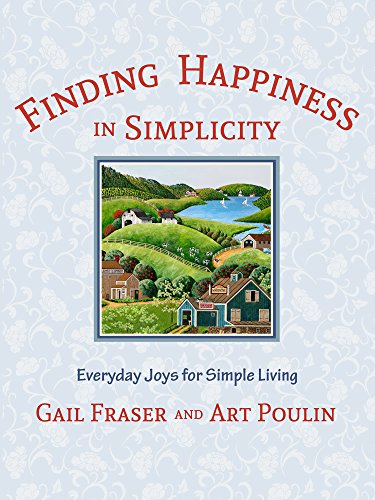
Gail Fraser is an american author of fiction. She is married to artist Art Poulin. She is the co-author of the nonfiction illustrated book Finding Happiness in Simplicity, the other co-author being her husband.
Which Gail Fraser series should I start with?
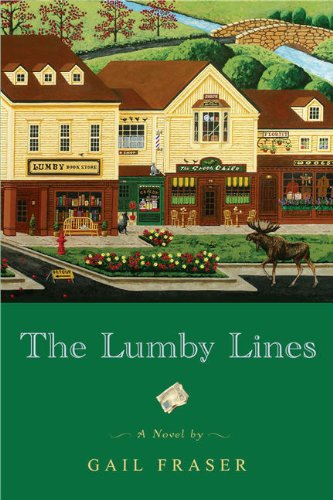
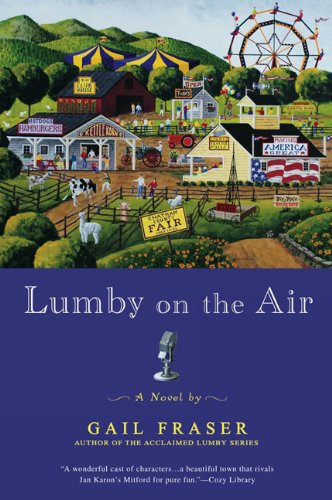
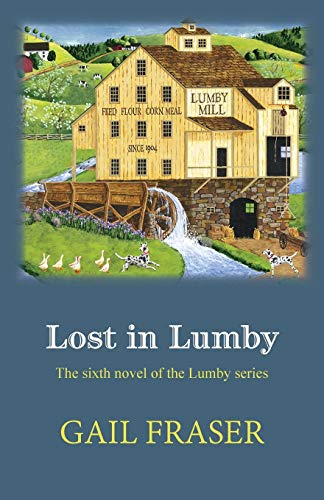
The best place to start is the Lumby series, the earliest of Gail Fraser's multi-book series: it opens with The Lumby Lines (2005) and runs to 6 books across 2005–2017, ending with Lost in Lumby (2017).
How many books has Gail Fraser written?
Gail Fraser has 7 books catalogued in this guide, published between 2005 and 2017. Every one of them sits in one of 2 named series — the largest being the Lumby series with 6 books.
In what order should Gail Fraser's series be read?
Read each series in publication order — the numbered entries in each series follow the year each book first appeared. Gail Fraser's series do not depend on one another, so they can be started in any order; by start date they are Lumby (2005–2017, 6 books) and Simplicity Non-Fiction (2012, 1 book).
How are Gail Fraser's books organised into series?
This guide splits Gail Fraser's 7 books into 2 named series, with no standalone titles: Lumby (6 books, 2005–2017); Simplicity Non-Fiction (1 book, 2012).