
🎯 Where Should I Start?
ⓘ About Ellen Ullman
Author Ellen Ullman has worked mainly as a computer programmer, but has also written non fiction books, articles, essays, and novels. Her articles and essays have been published by the likes of Salon, Harper’s Magazine, the New York Times, and Wired. From the year 1994 until the year 1996, she had her articles published in Harper’s Magazine, as well as collections called Wired Women and Resisting the Virtual Life. She got into computer programming because her adoptive father’s family had some computer scientists and mathematicians. They had a large impact on her deciding that she should pursue software engineering as a career, despite not having any natural talent at it.
All Book Series by Ellen Ullman
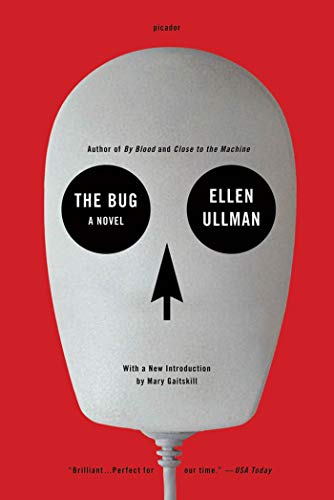
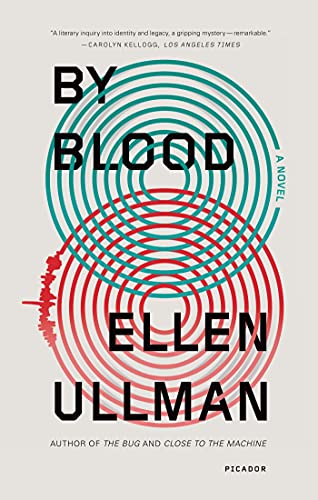
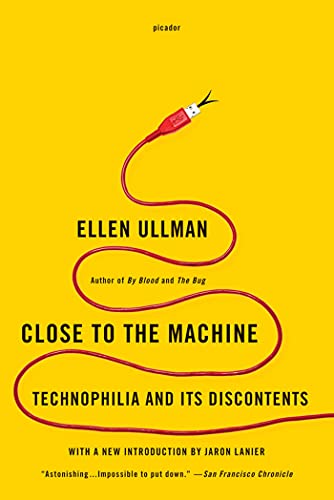
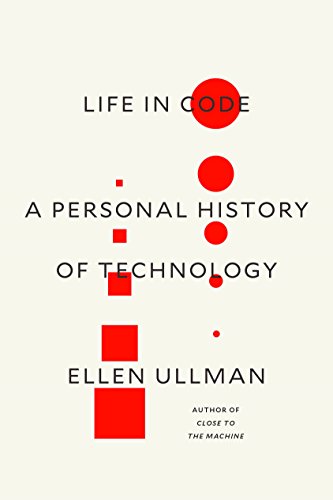
? Frequently Asked Questions
Who is Ellen Ullman?
Author Ellen Ullman has worked mainly as a computer programmer, but has also written non fiction books, articles, essays, and novels. Her articles and essays have been published by the likes of Salon, Harper's Magazine, the New York Times, and Wired. From the year 1994 until the year 1996, she had her articles published in Harper's Magazine, as well as collections called Wired Women and Resisting the Virtual Life.
Which Ellen Ullman series should I start with?
Ellen Ullman's books stand alone rather than forming a numbered series, so there is no reading order to follow. The natural first pick is The Bug (2003).
How many books has Ellen Ullman written?
Ellen Ullman has 5 books catalogued in this guide, published between 1997 and 2017. They are filed under 3 categories rather than in numbered series — chiefly Standalone Novels, Non-Fiction and Anthologies.
In what order should Ellen Ullman's series be read?
No reading order is needed: none of the 5 books catalogued here do not form a numbered series, so any title can be picked up first. Within each category they are listed by publication year.
How are Ellen Ullman's books organised into series?
This guide splits Ellen Ullman's 5 books into categories rather than numbered series: Standalone Novels (2 books); Non-Fiction (2 books); Anthologies (1 book).