
🎯 Where Should I Start?
ⓘ About Akaza Samamiya
The name ‘Akaza Samamiya’ refers to a mangaka from Japan that is best known for her ‘Bloody Mary’ series. ‘Mangaka’ is the name the Japanese give to people that write and draw manga. Akaza primarily writes stories set in the Shoujo genre. Shoujo are stories written with female readers in mind. And Akaza Samamiya’s stories distinctly fall in line with the Shoujo structure. The author’s graphic novels center on the topic of love. There’s always a pair of protagonists who initially clash when they meet. But as time goes by and as the protagonists get to know one another, the layers peel away and they fall in love. Akaza does inject a few variations into her stories.
All Book Series by Akaza Samamiya
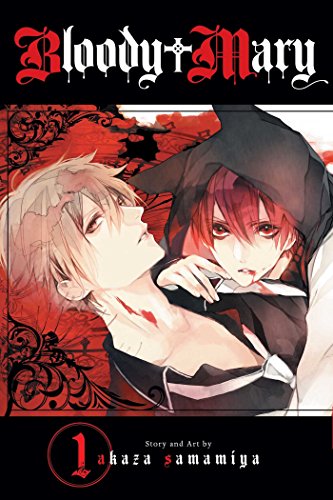
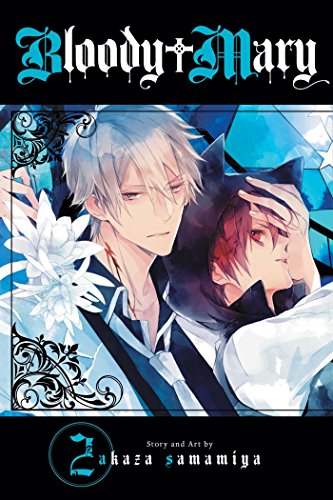
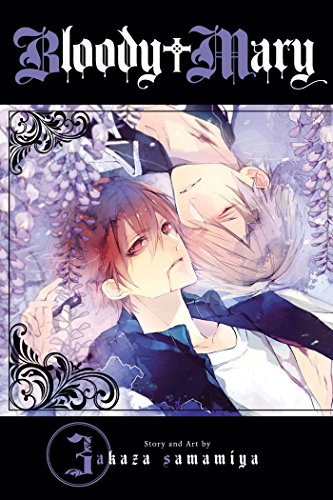
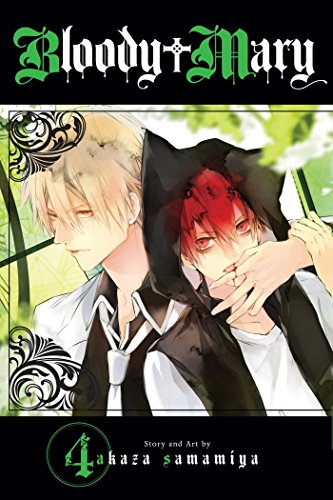
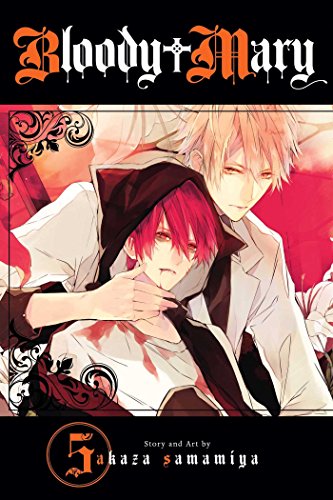
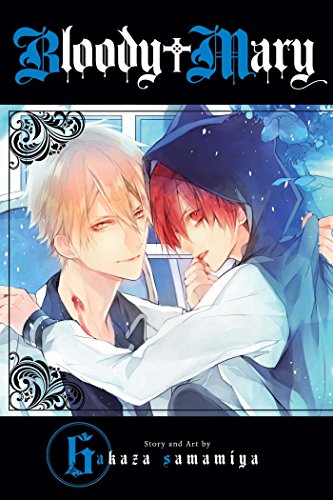
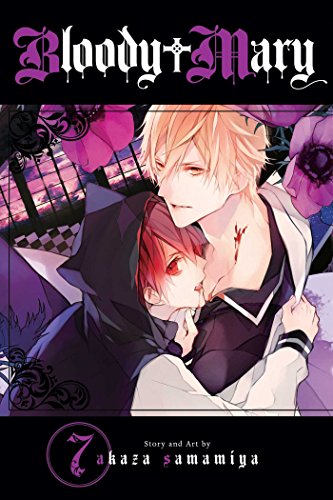
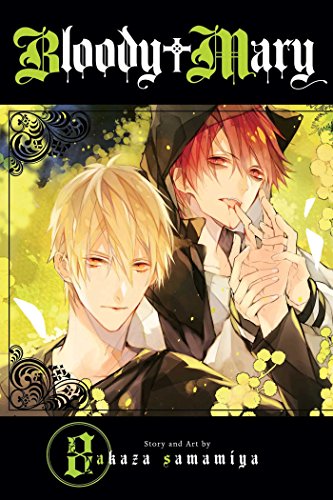
? Frequently Asked Questions
Who is Akaza Samamiya?
The name 'Akaza Samamiya’ refers to a mangaka from Japan that is best known for her 'Bloody Mary’ series. 'Mangaka’ is the name the Japanese give to people that write and draw manga. Akaza primarily writes stories set in the Shoujo genre.
Which Akaza Samamiya series should I start with?
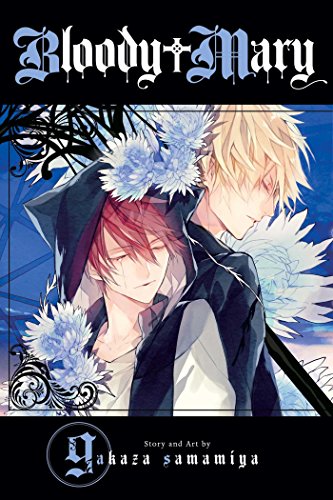
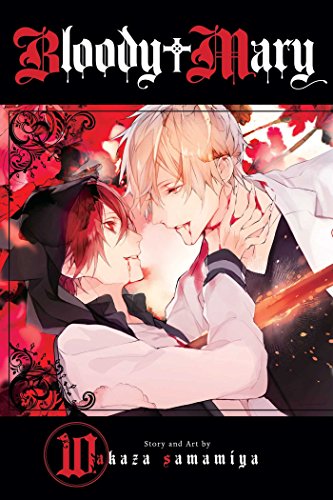
The best place to start is the Bloody Mary series, the earliest of Akaza Samamiya's multi-book series: it opens with Bloody Mary, Vol. 1 (2014) and runs to 10 books across 2014–2017, ending with Bloody Mary, Vol. 10 (2017).
How many books has Akaza Samamiya written?
Akaza Samamiya has 10 books catalogued in this guide, published between 2014 and 2017. Every one of them sits in one of 1 named series — the largest being the Bloody Mary series with 10 books.
In what order should Akaza Samamiya's series be read?
Read each series in publication order — the numbered entries in each series follow the year each book first appeared. Akaza Samamiya's series do not depend on one another, so they can be started in any order; by start date they are Bloody Mary (2014–2017, 10 books).
How are Akaza Samamiya's books organised into series?
This guide splits Akaza Samamiya's 10 books into 1 named series, with no standalone titles: Bloody Mary (10 books, 2014–2017).